
Blog
May 13, 2026
Which Loading Dock Leveler Is Best For You?
If you manage a warehouse, distribution center, or industrial facility in Edmonton or Central Alberta, your loading dock isn’t just a detail — it’s a daily productivity driver. One of the most common questions facility managers ask is: Should we use a mechanical dock leveler or a hydraulic dock leveler?
In general, hydraulic dock levelers are typically better for high‑volume Edmonton warehouses because they are safer, faster, and more reliable in cold weather. Mechanical dock levelers are more cost‑effective for low‑use docks but require more manual effort and maintenance. However, this comparison only scratches the surface. Our guide breaks down the differences, explains which option performs better in Edmonton’s climate, and helps you choose the right dock leveler based on how your operation actually runs.
What is a dock leveler?
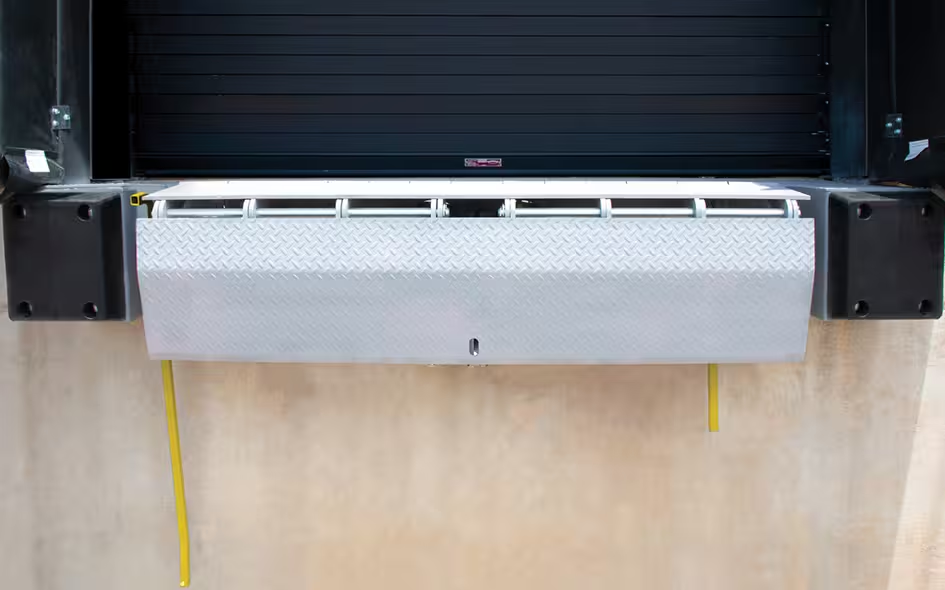
A dock leveler is the steel platform that bridges the height gap between your warehouse floor and a truck trailer. It allows forklifts and pallet jacks to move freight safely between the dock and the trailer.
In Alberta, dock levelers must handle:
- Heavy forklift traffic
- Repeated freeze‑thaw cycles
- Multi‑shift operations
- Variable trailer heights
The two most common types are mechanical dock levelers and hydraulic dock levelers.
Mechanical dock levelers: simple and budget‑friendly
Mechanical dock levelers work by using springs, chains, and manual force. The operator pulls a release chain to raise the platform, then walks it down to place the lip onto the trailer.
They do not require electrical power.
Pros and Cons of Mechanical Pit Levelers
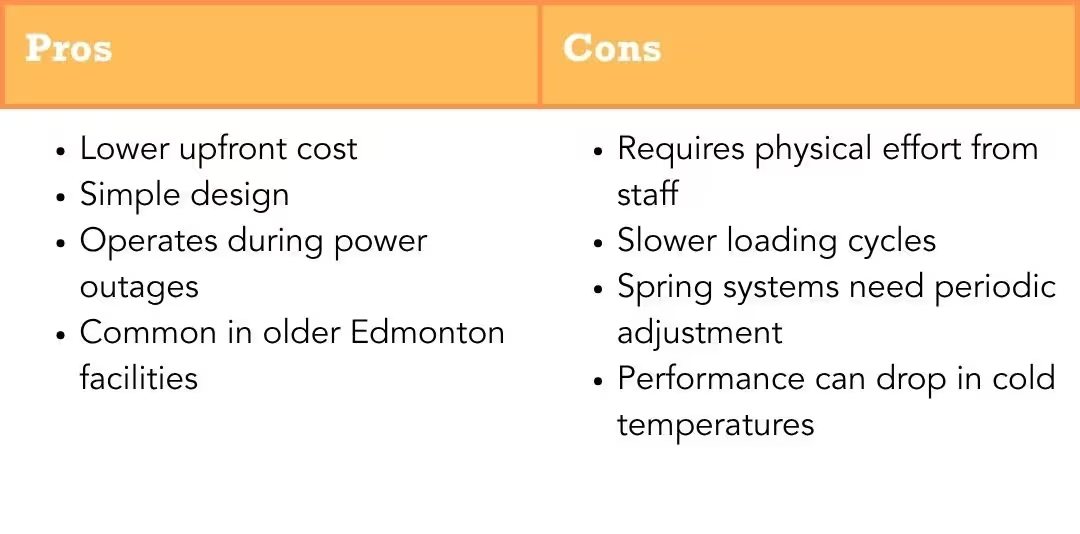
Best fit in Edmonton
Mechanical dock levelers work best for:
- Low‑traffic docks
- Single‑shift operations
- Smaller warehouses
- Facilities with limited electrical infrastructure
Hydraulic dock levelers: built for uptime and safety
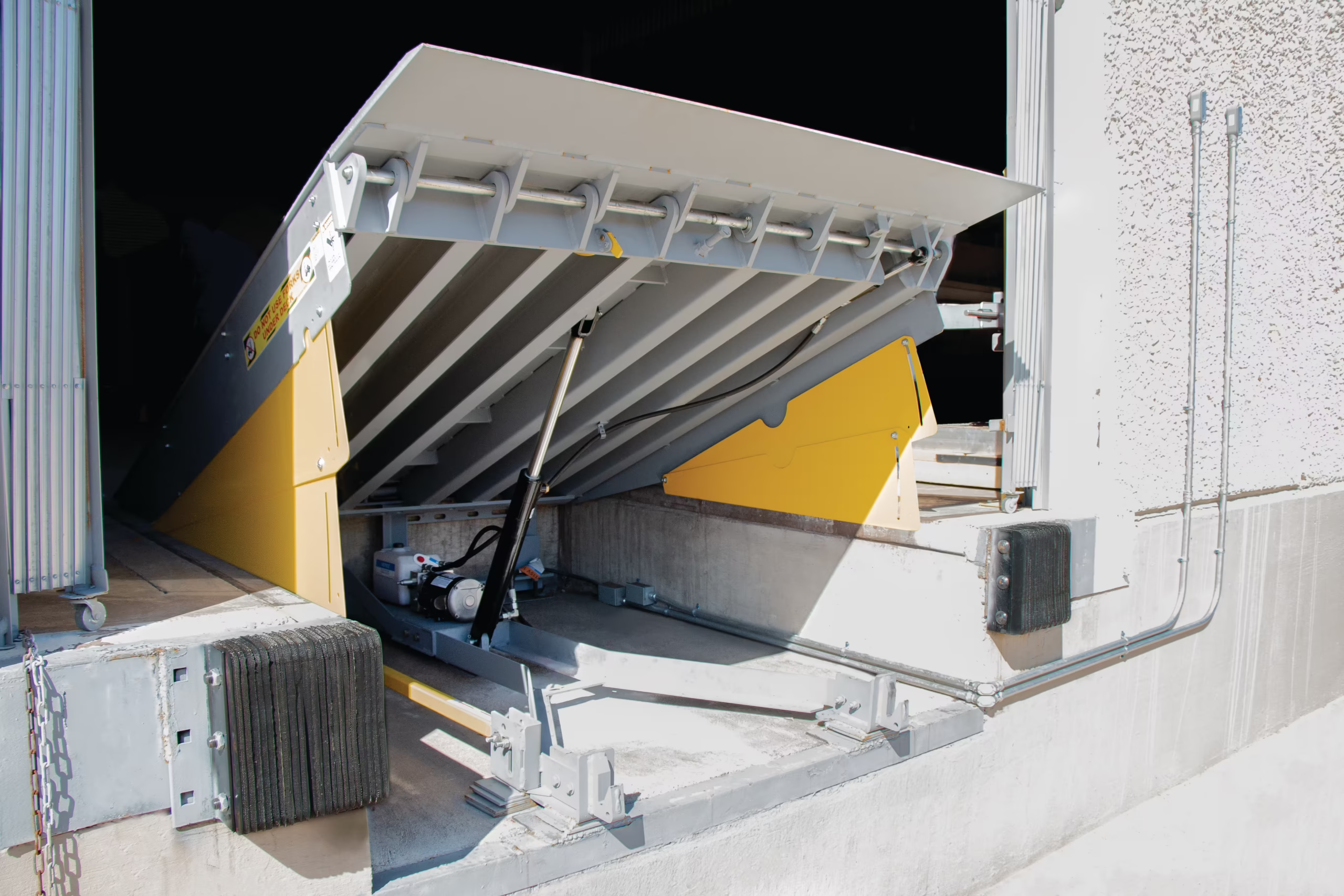
How hydraulic dock levelers work by using an electric motor and hydraulic cylinders. Operators press a button, the deck raises, the lip extends automatically, and the platform lowers smoothly onto the trailer. No walking onto the deck is required
Pros and Cons of Hydraulic Pit Levelers
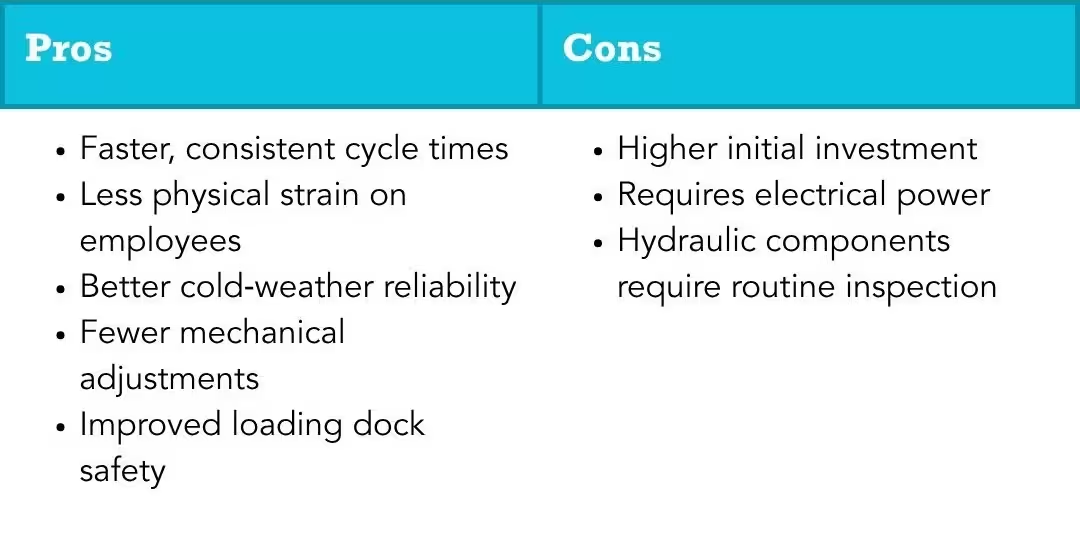
Best fit in Edmonton
Hydraulic dock levelers are typically preferred for:
- Distribution centres
- Multi‑shift warehouses
- Cold storage facilities
- Operations where downtime is costly
- High forklift traffic environments
This style is widely used in modern Alberta logistics facilities.
Mechanical vs. hydraulic dock levelers: side‑by‑side comparison

Which dock leveler is better for Edmonton warehouses?
For most Edmonton‑area commercial and industrial operations, hydraulic dock levelers are the better long‑term choice.
Why?
- Edmonton winters reduce spring performance in mechanical systems
- Hydraulic units reduce operator injury risk
- Faster cycles improve dock throughput
- Less downtime during peak shipping seasons
Mechanical dock levelers still make sense for light‑use docks, but high‑cycle facilities usually see better lifecycle value from hydraulic systems.
Planning for long‑term dock performance
Many Alberta facility managers now evaluate dock levelers as long‑term assets, not just equipment purchases. Key considerations include:
- Total cost of ownership
- Maintenance frequency
- Safety exposure
- Compatibility with future dock upgrades
Some facilities even convert existing mechanical levelers to hydraulic operation when the dock structure allows.
Final takeaway for local decision‑makers
- Mechanical dock levelers: best for low‑use, budget‑driven applications
- Hydraulic dock levelers: best for high‑volume Edmonton warehouses that prioritize uptime, safety, and efficiency
If your dock is critical to daily operations, hydraulic systems typically provide more dependable performance over time, especially in Alberta conditions.
Looking for the right dock leveler for your operation?
Explore our dock leveler solutions or contact Overhead Door Co. of Edmonton™ for expert support.
📞 (780) 451-0060
Sources